
The Role of Chance in Gambling
Luck is a fundamental element of gambling, underpinning many games of chance and significantly influencing outcomes. In games like slots, roulette, and even card games, the random nature of the outcomes creates an atmosphere of uncertainty and excitement. Players often enter casinos or online platforms, such as honeybetz , with the hope that fortune will favor them, demonstrating how deeply ingrained the concept of luck is within the gambling culture. The thrill of potentially hitting a jackpot or making a critical play at the right moment fuels the allure of betting.
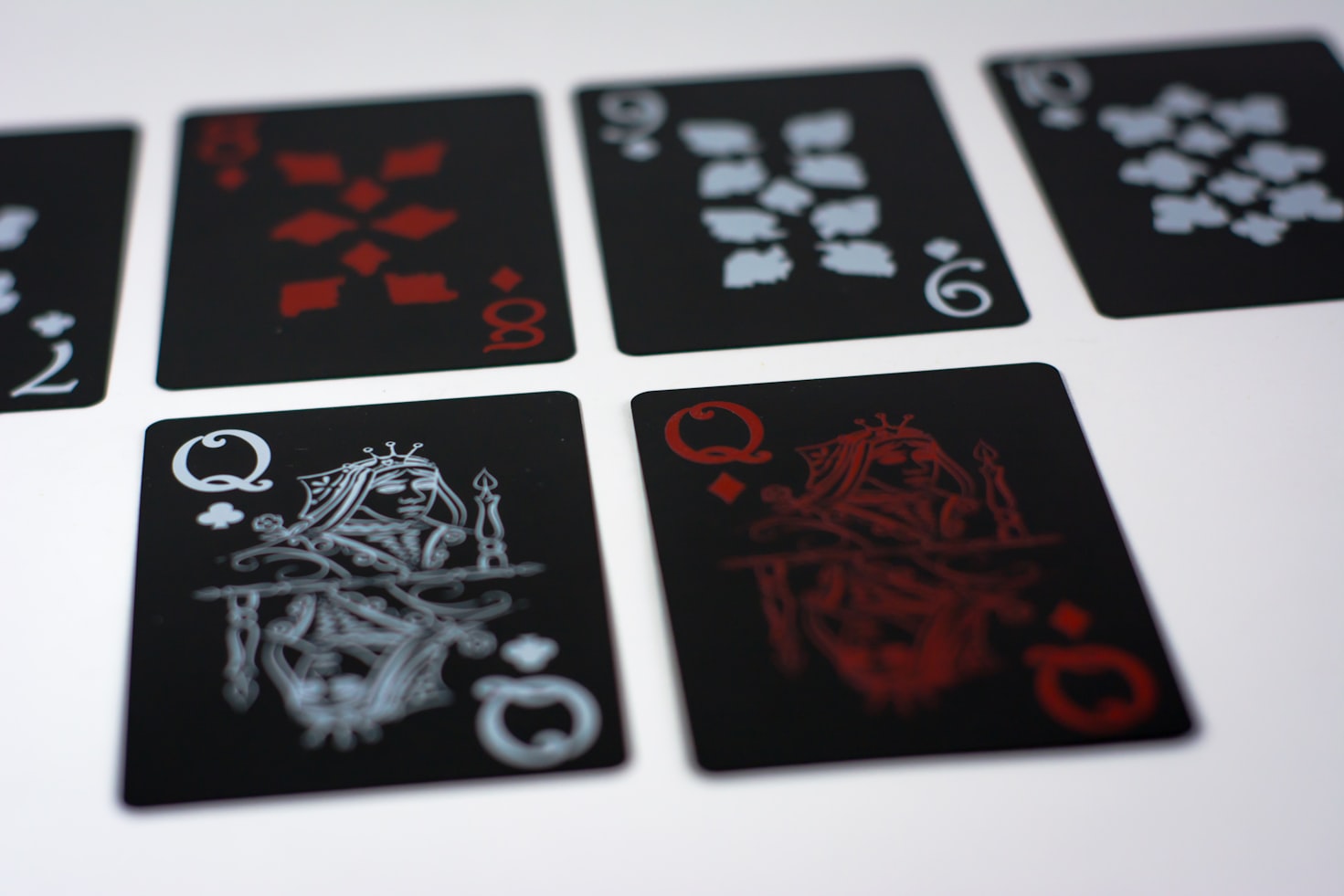
Furthermore, the randomness of luck means that no strategy can guarantee victory. For instance, even the most skilled poker players might find themselves outmatched by a novice who simply happened to draw a better hand. This unpredictability is what keeps gamblers coming back, as every spin of a wheel or flip of a card serves as a reminder that luck can change in an instant, leading to dramatic shifts in fortune. This crucial aspect of luck distinguishes gambling from other games where skills and strategies might dominate outcomes.
In many cultures, luck is personified in various ways, from lucky charms to superstitions that accompany gambling rituals. Players may carry talismans, wear specific clothing, or partake in pre-game rituals believing these actions can sway luck in their favor. This psychological component of luck can be just as vital as the game itself, influencing how individuals engage with gambling and their emotional responses to winning or losing. Thus, the perception of luck not only affects the game but also shapes the gambling experience overall.
Luck vs. Skill: A Delicate Balance
The relationship between luck and skill in gambling forms a complex dynamic that can tip the balance in either direction. In skill-based games such as poker and blackjack, players can employ strategies to increase their chances of winning. However, even the most adept players must contend with the randomness introduced by the draw of cards or the roll of dice, which can disrupt their carefully laid plans. This interplay means that while skill can enhance a player’s odds, it cannot eliminate the role of luck. The best players often recognize when to lean into chance and allow it to guide their decisions.
Conversely, in games that heavily rely on chance, such as slots or lotteries, the notion of skill is nearly non-existent. The outcomes are entirely dictated by random number generators, and players must rely solely on luck to achieve a payout. This distinction is crucial for gamblers to understand, as it shapes their approach to different types of games. A player who enters a slot machine with a strategy is likely to be disappointed, as the game offers no real avenue for skillful play.
The delicate balance of luck and skill is also a significant factor in player psychology. Gamblers often experience a range of emotions that can affect their decision-making process. A lucky streak can boost confidence, encouraging more risk-taking, while a series of losses may lead to frustration and panic. Understanding this psychological edge of luck can lead players to make wiser choices, whether to walk away after a win or to try their luck one more time after an unfortunate loss. Ultimately, the push and pull between luck and skill creates a unique gambling landscape filled with tension and excitement.
The Psychology of Luck in Gambling
The psychology behind luck plays a vital role in the gambling experience, impacting how players perceive their chances of winning. Cognitive biases, such as the illusion of control, can lead gamblers to believe they can influence luck through their actions or decisions. For example, a player may attribute their past wins to specific rituals or strategies, reinforcing the belief that they can replicate this success. This mindset can sometimes lead to overconfidence, as gamblers are often convinced that luck is on their side even in the face of losing streaks.
Superstitions also underscore the psychological aspect of luck in gambling. Many players develop personal beliefs about what brings good fortune, from lucky numbers to specific attire. These superstitions elevate the emotional stakes of gambling, making wins feel even more significant and losses more painful. Casinos and online gambling platforms often tap into this psychology, creating an atmosphere of excitement and anticipation that can further enhance a player’s belief in luck. The entire experience becomes a complex interplay of emotion, belief, and chance that can influence gambling behavior.
Moreover, the manifestation of luck can lead to a phenomenon known as “gamblers’ fallacy,” where individuals believe that past outcomes can influence future events. For instance, a player might think that after several losses, they are “due” for a win. This belief can drive players to continue betting in hopes of reversing their fortunes, often leading to greater financial risk. Understanding these psychological aspects of luck can empower players to approach gambling with a more balanced perspective, recognizing that while luck plays a key role, it should not solely dictate their gambling strategy.
Luck and the Evolution of Gambling
The concept of luck has evolved alongside the history of gambling, shaping both the games played and the environments in which they occur. Historically, gambling has roots in various cultures, often intertwined with rituals and beliefs regarding fate and fortune. From ancient dice games to contemporary digital platforms, luck has remained a constant theme that resonates with players. The evolution of gambling has also seen a shift towards more randomization and unpredictability in games, catering to the public’s affinity for luck-driven experiences.
Technological advancements have also transformed how luck is perceived in gambling. Online gambling platforms now utilize sophisticated random number generators to ensure fairness and randomness, enhancing the illusion of luck among players. This advancement has made gambling more accessible, allowing individuals to engage with their favorite games anytime and anywhere. The evolution of mobile technology has further amplified this trend, enabling players to take their chances on-the-go, reinforcing the notion that luck can strike at any moment, regardless of location.
This progression has also seen a growing awareness of responsible gambling practices, as the understanding of luck’s role in gambling continues to develop. Operators emphasize the need for players to gamble responsibly, recognizing that luck is a fickle companion. Initiatives aimed at educating players about the randomness intrinsic to gambling experiences are crucial in mitigating the risks associated with heavy gambling behaviors. This evolution highlights not only the integral role of luck in gambling but also the growing need for awareness surrounding its impact on players’ lives.
Finding Balance: Responsible Gambling and Luck
As luck remains an intrinsic part of gambling, understanding its significance is vital for promoting responsible gambling practices. Recognizing that luck, while unpredictable, should not dictate one’s entire approach to gambling can empower players to make better choices. Establishing limits and adhering to them can help individuals enjoy the thrill of gambling without falling into the trap of chasing losses fueled by a belief in luck. This strategy is essential for ensuring that gambling remains a form of entertainment rather than a source of stress and financial burden.
Education and awareness around the influence of luck can play a significant role in fostering responsible gambling habits. Players can benefit from understanding the odds of the games they participate in, empowering them to make informed decisions. Moreover, knowing that luck can be fleeting may encourage players to treat gambling as a series of events rather than a means to achieve financial gain. This mindset shift can significantly enhance their overall gambling experience while reducing the risks associated with problem gambling.
Ultimately, balancing the thrill of luck with a grounded perspective is key to enjoying gambling responsibly. Operators and organizations committed to promoting responsible gambling must continue to develop resources and support systems that help players recognize the transient nature of luck. By fostering a culture of informed and responsible gambling, individuals can experience the excitement of chance without jeopardizing their well-being, illustrating that luck, while essential, should always be approached with caution and understanding.
